
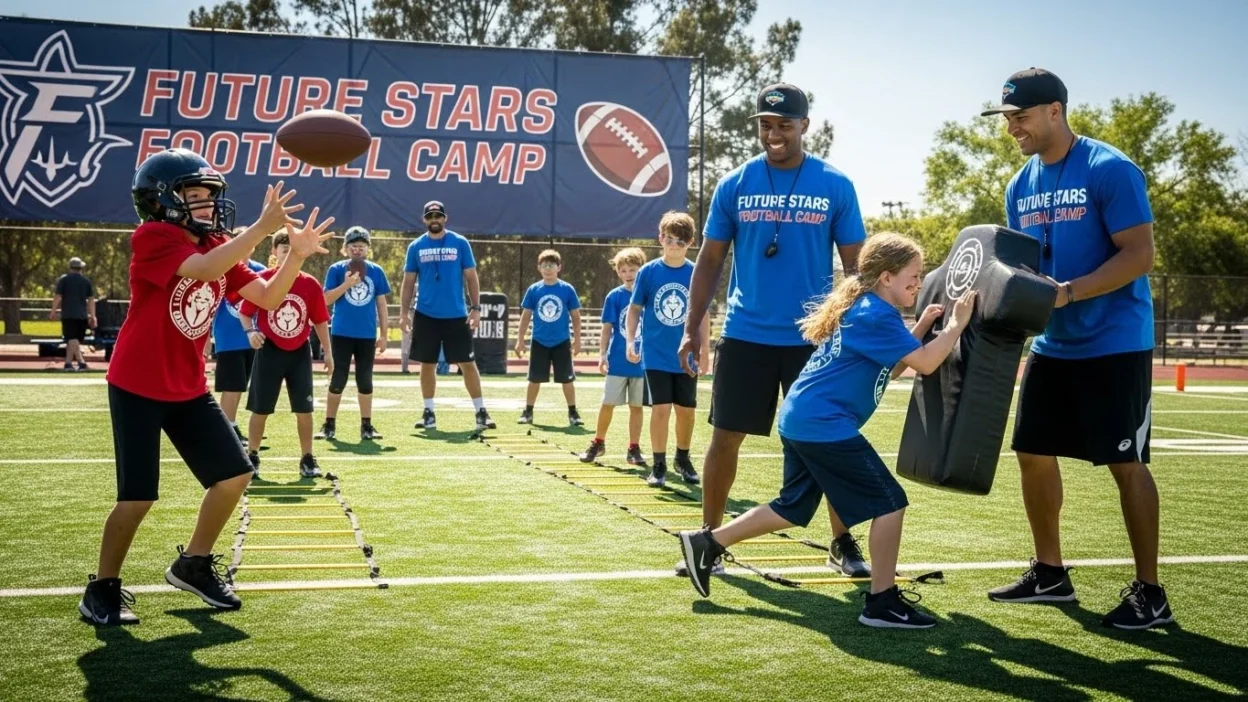
Soccer is one of the most popular sports in the world. It is fun, exciting, and helps kids stay active. Many parents want their children to learn soccer from a young age. Youth soccer training programs are designed to teach kids the skills they need to play the game well. These programs help children improve their strength, speed, and teamwork. They also teach discipline and confidence. Whether your child wants to play for fun or dreams of becoming a professional player, youth soccer programs are a great way to start.
1. What Are Youth Soccer Training Programs?
Youth soccer training programs are special classes or sessions for children who want to learn soccer. These programs focus on basic skills like passing, dribbling, shooting, and defending. Coaches guide the players step by step and give them exercises suitable for their age.
The programs are usually divided by age groups. For example, children under 6 may learn very simple ball skills, while older kids may practice more advanced techniques. The goal is to make learning soccer fun and safe.
These programs are offered by schools, soccer clubs, and private training centers. Some programs even include summer camps or weekend sessions for extra practice.
2. Benefits of Youth Soccer Training Programs
Joining a soccer training program offers many benefits for children. Here are the main advantages:
- Physical Fitness: Soccer helps children stay active and healthy. Running, jumping, and kicking the ball improves stamina and strength.
- Teamwork: Kids learn how to work with others. Soccer teaches them to communicate and support teammates.
- Confidence: Learning new skills and winning games builds self-confidence. Children feel proud of their achievements.
- Discipline: Soccer requires practice, rules, and focus. Training programs help children develop discipline and good habits.
- Social Skills: Children make new friends while playing, which improves their social skills.
Overall, youth soccer training programs not only teach soccer skills but also help children grow physically, mentally, and socially.
3. Key Skills Taught in Youth Soccer Training Programs
Youth soccer programs focus on teaching core soccer skills. These skills are important for all players, no matter their age or level.
- Dribbling: Learning to control the ball while running is the first step in soccer. Kids practice dribbling around cones or obstacles.
- Passing: Passing the ball to teammates is essential. Programs teach proper techniques for short and long passes.
- Shooting: Scoring goals is fun and important. Coaches teach children how to shoot accurately and with power.
- Defending: Kids learn how to stop opponents from scoring. This includes positioning and tackling techniques.
- Goalkeeping: Some programs offer training for goalkeepers. Kids learn how to save shots and position themselves in the goal.
Training programs often use games and drills to make learning these skills enjoyable. Kids get plenty of practice in a supportive environment.
4. How Youth Soccer Programs Are Structured
Youth soccer programs are designed to suit different ages and skill levels. Here is a typical structure:
- Warm-Up: Each session starts with stretching and light exercises. This helps prevent injuries.
- Skill Practice: Coaches teach specific soccer skills. Kids practice dribbling, passing, and shooting.
- Mini-Games: Children play small-sided games. These games help them use their skills in real situations.
- Cool-Down: At the end of the session, kids do light stretching and review what they learned.
Programs usually run once or twice a week during the school year. Some programs also offer weekend or summer camps. Sessions may last 1 to 2 hours, depending on the age group.
Coaches pay attention to each child, giving tips and encouragement to help them improve at their own pace.
5. Choosing the Right Youth Soccer Training Program
Finding the right program is important for your child’s enjoyment and progress. Here are some tips to help you choose:
- Age and Skill Level: Make sure the program matches your child’s age and ability. Beginners need programs with basic skills, while advanced players need more challenging drills.
- Qualified Coaches: Look for programs with experienced and certified coaches. Coaches should know how to teach children safely and effectively.
- Fun Environment: Children learn best when they enjoy the activity. Programs should include games and activities that keep kids excited.
- Schedule and Location: Choose a program that fits your schedule and is easy to reach. Consistent attendance is important for progress.
- Reviews and Reputation: Check reviews or ask other parents about their experience. A good program has positive feedback from families.
Trying a few trial sessions can help you see if the program is a good fit for your child. Remember, the goal is to learn, have fun, and stay active.
Conclusion
Youth soccer training programs are a great way for children to learn soccer skills, stay active, and build confidence. They teach teamwork, discipline, and social skills while making sure kids have fun. Programs are designed for different ages and skill levels, focusing on core skills like dribbling, passing, shooting, and defending.
Choosing the right program involves considering the child’s age, skill level, coaches, and the program’s environment. With the right program, children can enjoy soccer, improve their skills, and develop habits that will help them both on and off the field.
Starting youth soccer training early gives children a strong foundation for a healthy and active life, while also opening opportunities for future success in the sport. Soccer is more than a game; it is a way to learn, grow, and make lasting memories.


