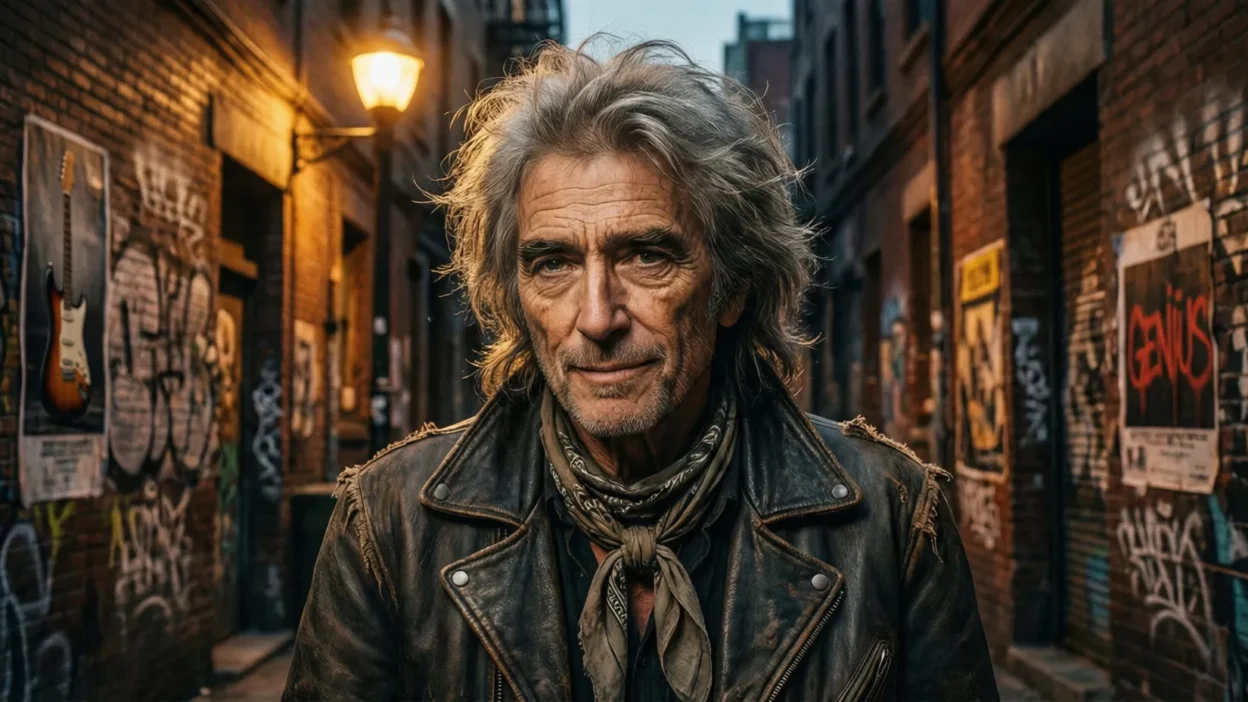
Bob Dylan is one of the most influential and celebrated musicians in history, with a career that has shaped modern music, culture, and literature for more than six decades.
Best known as a legendary singer songwriter, Dylan’s impact extends far beyond his iconic songs and poetic lyrics.
As interest in Bob Dylan net worth continues to grow, many fans are curious about how his extraordinary creative legacy translated into long term financial success.
From record breaking album sales and decades of touring to lucrative songwriting royalties and historic music catalog deals, Dylan has built an impressive financial empire.
His decision to sell major portions of his songwriting and master recording rights marked a turning point in his wealth, bringing renewed attention to his earnings later in life.
In this article, we take an in depth look at Bob Dylan’s net worth, exploring his income sources, major financial milestones, assets, lifestyle, and the lasting value of his music catalog.
Together, these elements reveal how Dylan became one of the wealthiest and most respected figures in music history.
Bob Dylan: Personal Background & Early Life
Bob Dylan was born Robert Allen Zimmerman on May 24, 1941, in Duluth, Minnesota, and raised in the small mining town of Hibbing. From an early age, Dylan showed a deep fascination with music, drawing inspiration from blues, folk, country, and early rock and roll. Artists such as Woody Guthrie, Hank Williams, and Little Richard played a significant role in shaping his musical identity and storytelling style.
As a teenager, Dylan taught himself to play guitar and harmonica, performing in local bands and school events. His passion for songwriting and performance soon pushed him beyond his hometown. In 1961, Dylan moved to New York City, determined to immerse himself in the folk music scene that was thriving in Greenwich Village. This decision proved to be life changing, as it placed him at the center of a growing cultural movement.
Dylan’s early performances caught the attention of record executives, leading to his first recording contract shortly after his arrival in New York. Although his initial albums achieved modest commercial success, they laid the foundation for his future financial growth. More importantly, these early works established Dylan as a powerful songwriter with a unique voice.
This formative period shaped both Dylan’s artistic direction and his long term earning potential. His early focus on songwriting and originality would later become the cornerstone of his immense wealth, setting the stage for a career that continues to generate income decades later.
Rise to Fame & Career Milestones
Bob Dylan’s rise to fame began in the early 1960s, when his songwriting quickly set him apart from other artists of the era. Albums such as The Freewheelin’ Bob Dylan and The Times They Are a Changin’ established him as the voice of a generation, blending folk music with socially conscious lyrics. These releases not only brought critical acclaim but also marked the beginning of Dylan’s commercial success, laying the groundwork for his long term financial growth.
One of the most defining moments of Dylan’s career came in the mid 1960s when he transitioned from acoustic folk to electric rock music. Albums like Highway 61 Revisited and Blonde on Blonde expanded his audience and significantly increased album sales. Although controversial at the time, this artistic shift proved financially rewarding and reinforced his reputation as an innovative and fearless artist.
Throughout the following decades, Dylan continued to evolve musically, releasing influential albums across multiple genres, including country, gospel, and rock. His longevity allowed him to remain commercially relevant while building a vast catalog of work that would later become one of his most valuable assets.
Dylan’s career milestones also include extensive touring, particularly his famous “Never Ending Tour,” which began in the late 1980s. These live performances generated consistent income and kept his music in the public eye. By continually reinventing himself while maintaining creative control, Dylan transformed artistic excellence into lasting financial success.
Music Career Earnings
Bob Dylan’s music career earnings form the foundation of his immense net worth. Over more than six decades, Dylan has released dozens of studio albums, live recordings, and compilations that have sold tens of millions of copies worldwide. His extensive discography continues to generate revenue through physical sales, digital downloads, and streaming platforms, making his catalog one of the most valuable in music history.
Album sales played a major role in Dylan’s early and mid career income. Many of his releases achieved commercial success while also receiving critical acclaim, allowing him to command favorable recording contracts and royalty arrangements. As the music industry evolved, Dylan benefited from long term ownership structures that ensured he continued earning from his work long after its initial release.
Touring has also been a significant source of income. Dylan’s ongoing live performances, particularly the long running “Never Ending Tour,” brought in steady revenue year after year. Unlike many artists who rely on short term touring bursts, Dylan’s consistent presence on the road helped sustain his income even during periods without major album releases.
In the digital era, streaming and licensing have further boosted Dylan’s earnings. His songs are frequently featured in films, television shows, and commercials, generating licensing fees that add to his annual income. Together, album sales, touring revenue, streaming royalties, and licensing deals have created a reliable and long lasting income stream.
These music career earnings not only built Dylan’s wealth but also set the stage for later financial milestones, including the highly lucrative sale of his music catalog, which dramatically increased his net worth.
Songwriting Royalties & Publishing Income
Songwriting royalties and publishing income have been one of the most powerful drivers behind Bob Dylan’s long term wealth. Unlike many performers who rely primarily on album sales or touring, Dylan built much of his fortune through songwriting ownership. As the primary writer of most of his songs, he retained valuable publishing rights that generated income for decades.
Every time a Bob Dylan song is played on the radio, streamed online, covered by another artist, or performed live, royalties are generated. His compositions have been recorded by hundreds of artists across multiple genres, dramatically increasing their earning potential. Classic songs such as Blowin’ in the Wind and Like a Rolling Stone continue to produce publishing income long after their original release.
Dylan’s music has also been widely licensed for use in films, television series, documentaries, and commercials. These licensing deals are especially lucrative because they often involve one time payments in addition to ongoing royalties. His catalog’s cultural significance and timeless appeal make it highly attractive to media producers, ensuring consistent demand.
Publishing income is particularly valuable because it is recurring and not tied to Dylan’s active participation. Even during periods when he released fewer albums or toured less frequently, songwriting royalties continued to flow. This passive income model played a major role in stabilizing and growing Bob Dylan’s net worth over time.
By maintaining control over his songwriting rights for much of his career, Dylan positioned himself for one of the most financially significant decisions in music history the eventual sale of his songwriting catalog. That move would transform decades of royalties into a massive upfront payout, dramatically reshaping his overall net worth.
Historic Catalog Sales & Major Deals
One of the most significant financial milestones in Bob Dylan’s career came with the historic sale of his music catalog, a move that reshaped both his personal net worth and the wider music industry. After decades of retaining ownership and earning steady royalties, Dylan chose to monetize the long term value of his work through major catalog deals that attracted global attention.
The first major transaction involved the sale of Dylan’s songwriting catalog, which included hundreds of compositions spanning his entire career. This deal was widely regarded as one of the largest songwriting catalog sales ever, reflecting the immense cultural and commercial value of his music. By converting future royalty income into a massive upfront payment, Dylan secured financial certainty while still preserving his artistic legacy.
Not long after, Dylan completed another landmark deal involving his master recordings. Master rights are particularly valuable because they control how original recordings are distributed, licensed, and monetized. Selling these assets further boosted Dylan’s wealth and demonstrated the premium placed on iconic, evergreen music catalogs in the modern streaming era.
These catalog sales had a profound impact on Bob Dylan’s net worth, instantly elevating it into the upper tier of music legends. More importantly, the deals highlighted Dylan’s strategic approach to wealth management choosing the right moment to capitalize on decades of creative output.
By the time these transactions were completed, Dylan had effectively transformed a lifetime of royalties into generational wealth. These historic deals now stand as a defining chapter in his financial story, cementing his status as one of the most financially successful songwriters of all time.
Awards, Honors & Their Financial Impact
Bob Dylan’s extraordinary list of awards and honors has played a meaningful role in enhancing both his cultural standing and financial value. While awards themselves do not always come with direct monetary rewards, they significantly elevate an artist’s brand, increasing demand for their music and boosting long term earnings. In Dylan’s case, recognition at the highest levels helped solidify the lasting value of his catalog and public image.
Among his most remarkable achievements is the Nobel Prize in Literature, which he received for his profound influence on songwriting and poetic expression. This unprecedented honor expanded Dylan’s reputation beyond music, introducing his work to academic and literary audiences worldwide. Following the award, interest in his songs, books, and recordings surged, driving higher sales, streaming numbers, and licensing demand.
Dylan has also received numerous Grammy Awards, including lifetime achievement honors that recognize his enduring influence on the music industry. These accolades reinforced his credibility and marketability, making his catalog more attractive to record labels, publishers, and investors. His induction into the Rock and Roll Hall of Fame further cemented his legacy as one of the most important figures in modern music.
Over time, these honors contributed to the premium valuation of Dylan’s music rights. When his catalog was later sold, its price reflected not just commercial performance, but also historical and artistic significance. Collectively, Dylan’s awards helped transform his creative achievements into financial leverage.
By 2025, Bob Dylan’s honors continue to support the enduring value of his work, proving that artistic excellence and financial success can go hand in hand when a career is built on originality, longevity, and cultural impact.
Business Ventures & Investments
In addition to his music related income, Bob Dylan has expanded his wealth through a range of business ventures and strategic investments. While he is known for maintaining a private and understated lifestyle, Dylan has made calculated financial decisions that complement his artistic career and contribute to his long term net worth.
One of Dylan’s notable ventures includes his involvement in publishing and literary projects. Beyond songwriting, he has authored books and collaborated on curated releases that monetize his written work and personal archives. These projects appeal to both music fans and literary audiences, generating additional revenue while preserving his artistic legacy.
Dylan has also shown a strong interest in visual art. Over the years, his paintings and drawings have been exhibited in galleries and sold to collectors, adding another income stream to his portfolio. His artwork, much like his music, benefits from his iconic status, commanding high prices in the art market.
Real estate investments further strengthen Dylan’s financial position. He has owned properties in various locations, including New York and California, which have appreciated significantly over time. These assets serve as both private residences and long term investments, contributing to his overall wealth stability.
Unlike many celebrities, Dylan has avoided flashy business ventures or public brand endorsements. Instead, his investment strategy reflects patience and long term thinking, focusing on assets with lasting value. By diversifying into publishing, art, and real estate, Bob Dylan has ensured that his wealth extends beyond music royalties alone, reinforcing his status as both a cultural icon and a financially astute individual.
Real Estate & Major Assets
Real estate has played an important role in strengthening Bob Dylan’s overall asset portfolio and long term financial security. Over the years, Dylan has owned several high value properties, reflecting both his success and preference for privacy. Unlike many celebrities, he has maintained a relatively low public profile regarding his homes, yet his real estate holdings are widely considered valuable and strategically chosen.
Dylan has owned properties in key cultural and entertainment hubs, including New York and California. These locations not only align with his professional life but also represent strong long term investments due to their high demand and appreciating property values. His residences are often described as understated rather than extravagant, mirroring his modest public persona.
In addition to residential real estate, Dylan’s assets include valuable personal collections and intellectual property holdings. His music rights, even after major catalog sales, remain central to his financial legacy. Original manuscripts, rare recordings, and historical memorabilia connected to his career also hold significant value, particularly among collectors and institutions.
Dylan’s art collection, which includes his own works as well as curated pieces, further contributes to his asset base. These items serve both as personal expressions and appreciating investments, adding depth to his overall net worth.
Together, Dylan’s real estate and major assets reflect a strategy focused on long term value rather than short term display. By investing in stable properties and culturally significant assets, he has preserved and grown his wealth steadily over time. This balanced approach ensures that Bob Dylan’s financial legacy remains secure, even as his active involvement in music continues to evolve.
Bob Dylan Net Worth Growth Over the Years
Bob Dylan’s net worth growth reflects the unique trajectory of an artist whose financial success evolved steadily over several decades. In the early years of his career, Dylan’s income was relatively modest, driven mainly by album sales and live performances. However, as his songwriting gained recognition and his catalog expanded, his earnings began to grow consistently.
During the peak years of his career in the 1960s and 1970s, Dylan benefited from rising album sales and increased touring revenue. His ability to adapt musically across different genres allowed him to remain commercially relevant while continuously adding to his catalog. This period laid the groundwork for long term wealth accumulation, even if short term earnings fluctuated.
From the 1980s onward, Dylan’s financial growth became more stable due to ongoing royalties and extensive touring. His “Never Ending Tour” provided a reliable source of income, while licensing deals and covers by other artists expanded his publishing earnings. As the music industry transitioned into the digital age, Dylan’s catalog retained its value, continuing to generate income through streaming and media placements.
The most dramatic increase in Dylan’s net worth occurred later in life with the sale of his songwriting and master recording rights. These landmark deals transformed decades of future royalties into immediate wealth, significantly boosting his overall financial standing.
By 2025, Bob Dylan’s net worth reflects a lifetime of smart creative ownership, long term planning, and strategic monetization. His steady financial growth stands as a model for artists seeking to turn artistic legacy into enduring wealth.
Bob Dylan Net Worth (Estimated)
Bob Dylan’s net worth is the result of more than sixty years of musical influence, smart ownership decisions, and historic business deals. While exact figures vary depending on valuation methods, most industry analysts estimate Bob Dylan’s net worth to be in the high hundreds of millions of dollars, placing him among the wealthiest musicians of all time.
A conservative estimate takes into account Dylan’s lifetime earnings from album sales, touring, publishing royalties, real estate, and art investments. Even without considering major catalog sales, his consistent royalty income and long running touring career would have placed him in an elite financial category. However, the true turning point in Dylan’s wealth came from the sale of his songwriting catalog and master recordings, which converted decades of future income into substantial upfront payments.
More aggressive estimates factor in the appreciating value of his remaining intellectual property, continued licensing income, and the long term performance of his music across streaming platforms. Dylan’s catalog remains in constant demand, ensuring that his work continues to generate revenue even as consumption habits change.
Unlike many artists whose wealth fluctuates with trends, Dylan’s net worth benefits from timeless appeal and cultural relevance. His music continues to be studied, licensed, covered, and celebrated worldwide. By 2025, Bob Dylan’s net worth represents not just financial success, but the enduring value of creative ownership and artistic longevity. His fortune stands as a testament to the power of intellectual property and the lasting economic impact of great art.
Comparison With Other Music Legends
When evaluating Bob Dylan’s net worth, it is helpful to compare his financial standing with other iconic musicians who built wealth through long, influential careers. Artists such as Paul McCartney, Bruce Springsteen, and Neil Young often appear alongside Dylan when discussing the richest and most respected figures in music history.
Paul McCartney’s net worth is significantly higher, largely due to his association with The Beatles, extensive touring, and diversified business ventures. McCartney also retained strong control over publishing rights and benefited from massive global appeal across generations. However, Dylan’s financial strategy differs in that his wealth is heavily rooted in songwriting ownership and cultural longevity rather than large scale touring in later years.
Bruce Springsteen offers a closer comparison. Like Dylan, Springsteen generated substantial income from touring and songwriting, and both artists later capitalized on the value of their catalogs. Springsteen’s catalog sale mirrored Dylan’s in scale and timing, reinforcing how legendary songwriters can transform creative output into generational wealth.
Neil Young’s career also highlights the importance of publishing rights and artistic control. While Young’s net worth is lower than Dylan’s, his approach to ownership and long term royalties reflects a similar philosophy of prioritizing creative independence over short term profits.
What sets Bob Dylan apart is the literary and cultural value of his work. His Nobel Prize in Literature elevated his catalog beyond music, adding prestige that few artists can match. By 2025, Dylan’s net worth places him firmly among the wealthiest musicians of all time, not necessarily as the richest, but as one of the most financially and culturally influential artists ever.
Lifestyle & Spending Habits
Bob Dylan is known for maintaining a private and understated lifestyle, a trait that sets him apart from many high profile musicians. Despite his immense wealth and legendary status, Dylan has consistently avoided public displays of luxury, choosing instead to live quietly and focus on his creative pursuits. This low key approach has played a role in preserving his wealth over the years.
Unlike celebrities who indulge in extravagant purchases, Dylan’s spending habits are relatively conservative. He invests primarily in assets that hold long term value, such as real estate, art, and intellectual property. His homes, while valuable, are known for being practical and private rather than flashy or excessive. This reflects his preference for stability and discretion over public attention.
Dylan also spends significantly on creative and cultural interests. His involvement in visual art, writing, and curated projects demonstrates a commitment to artistic expression rather than material consumption. These expenditures often double as investments, as his artwork and limited edition releases appreciate in value over time.
Travel is another notable aspect of Dylan’s lifestyle, largely tied to his touring schedule. However, even in this area, he maintains a disciplined approach, avoiding unnecessary extravagance. His focus remains on performance, creativity, and personal freedom rather than luxury branding.
By maintaining a restrained lifestyle, Dylan has minimized financial risk and preserved capital throughout his career. This approach has allowed his net worth to grow steadily without dramatic fluctuations. Ultimately, Bob Dylan’s lifestyle choices reflect the mindset of an artist who values independence and longevity, reinforcing both his financial stability and his enduring legacy.
Philanthropy & Social Contributions
Bob Dylan’s influence extends beyond music and wealth into meaningful social and cultural contributions. While he is not known for highly publicized charitable campaigns, Dylan has supported various causes throughout his career in a more private and understated manner. His approach to philanthropy aligns with his overall lifestyle quiet, selective, and focused on long term impact rather than public recognition.
Dylan has contributed to organizations that support the arts, education, and humanitarian efforts. He has participated in benefit concerts and fundraising events aimed at disaster relief, social justice, and community development. These efforts, though often low profile, reflect his awareness of the broader responsibilities that come with cultural influence and financial success.
In addition to direct charitable support, Dylan’s music itself has played a powerful role in shaping social awareness. Many of his songs address themes such as civil rights, freedom, war, and inequality. This cultural impact has inspired movements, influenced generations of artists, and contributed to broader conversations about justice and human dignity. While this influence is not easily quantified financially, it significantly enhances the long term value of his legacy.
Dylan has also supported institutions that preserve musical and literary history, helping ensure that creative works remain accessible to future generations. These contributions reinforce his commitment to cultural preservation and education.
By 2025, Bob Dylan’s philanthropic footprint may appear subtle compared to more public figures, but its impact is nonetheless meaningful. His combination of quiet generosity and socially conscious artistry adds depth to his legacy, showing that his success is measured not only in wealth, but also in lasting cultural influence.
Estate Planning & Future Earnings
As one of the most influential artists in modern history, Bob Dylan has taken careful steps to ensure that his financial and creative legacy is preserved for future generations. Estate planning plays a crucial role in managing the long term value of his wealth, particularly given the enduring demand for his music, writings, and artistic works. By structuring his assets strategically, Dylan has positioned his estate to continue generating income long after his lifetime.
A significant part of Dylan’s estate planning revolves around intellectual property. Even after the sale of major portions of his songwriting and master recording rights, his remaining interests continue to produce royalties through licensing, streaming, and media usage. These income streams are expected to remain strong due to the timeless relevance of his work and its continued use in films, television, and cultural projects.
Dylan’s catalog sales also simplified future estate management by converting complex, long term royalty flows into upfront capital. This approach reduces administrative burdens while ensuring financial security for his heirs. Trusts, legal structures, and professional management help protect these assets and maintain compliance with evolving regulations.
Future earnings tied to Dylan’s legacy may also come from curated releases, documentaries, biographical projects, and archival material. As interest in his life and work persists, these opportunities can generate additional revenue without diminishing artistic integrity.
By 2025 and beyond, Bob Dylan’s estate is expected to remain a powerful financial entity. His proactive planning ensures that his influence and income continues for decades, reinforcing his status not just as a legendary songwriter, but as a lasting cultural and economic force.
Conclusion
Bob Dylan’s net worth is the result of a rare combination of artistic brilliance, long term vision, and strategic financial decisions.
Unlike many musicians whose wealth depends heavily on short lived commercial success, Dylan built a fortune rooted in songwriting ownership, cultural relevance, and intellectual property value.
His career demonstrates how creativity, when paired with smart asset management, can generate wealth that lasts for generations.
By 2025, Bob Dylan’s financial legacy reflects decades of consistent income from album sales, touring, licensing, and historic catalog deals.
The sale of his songwriting and master recordings marked a defining moment, transforming future royalties into immediate wealth while securing his estate against uncertainty.
Yet, even beyond these deals, Dylan’s remaining assets and influence continue to produce revenue and appreciation.
What truly distinguishes Dylan is not just the size of his net worth, but the way it was built.
His restrained lifestyle, selective investments, and quiet philanthropy highlight a disciplined approach to wealth preservation.
Rather than chasing trends or public attention, he prioritized independence, artistic integrity, and long term value.
Ultimately, Bob Dylan’s net worth tells a broader story one about the power of intellectual property, the value of timeless art, and the importance of planning beyond immediate success.
His financial journey serves as a blueprint for artists and creators seeking to turn cultural impact into lasting economic strength. As his music continues to inspire new generations, Dylan’s wealth and legacy remain as enduring as his words.